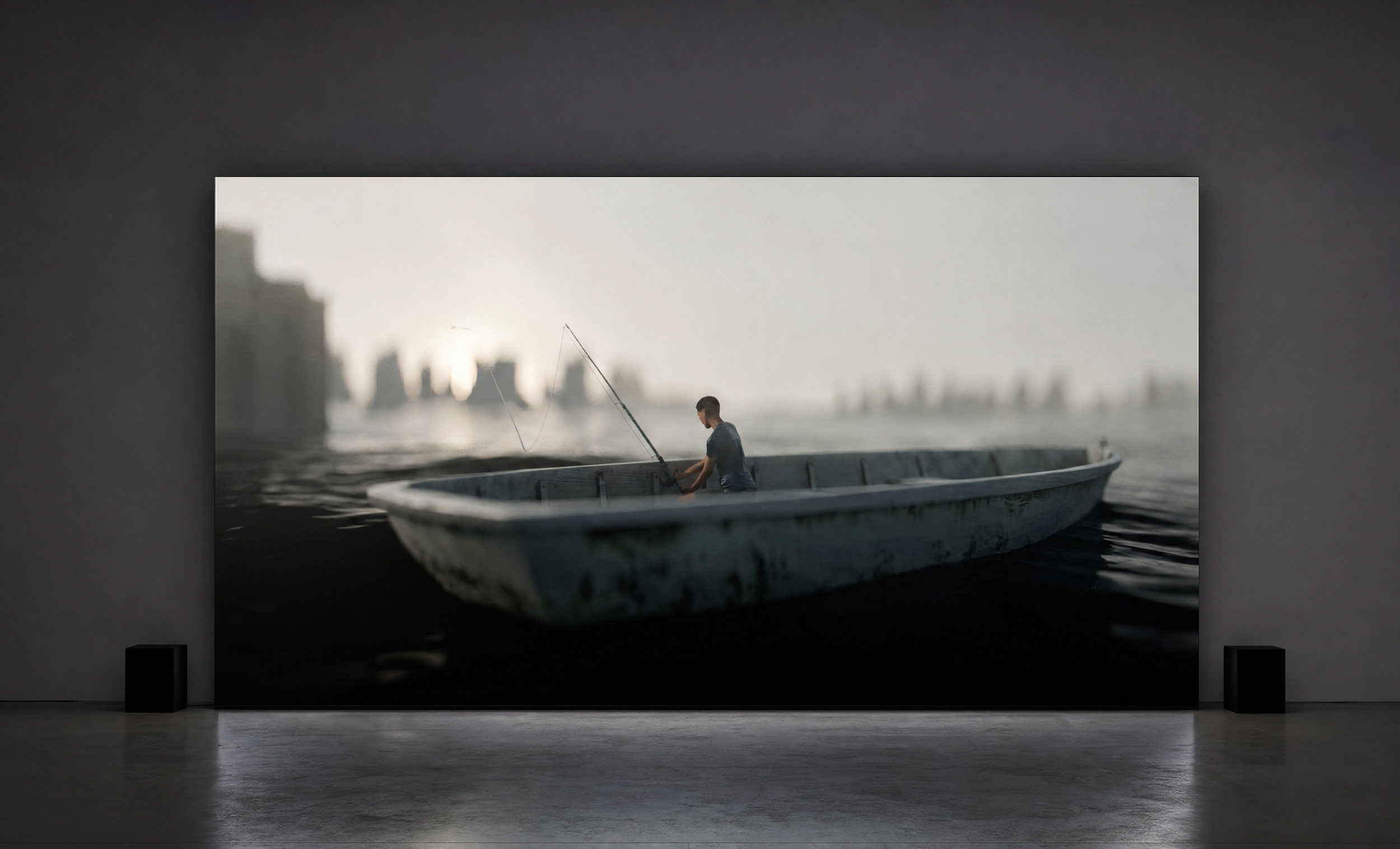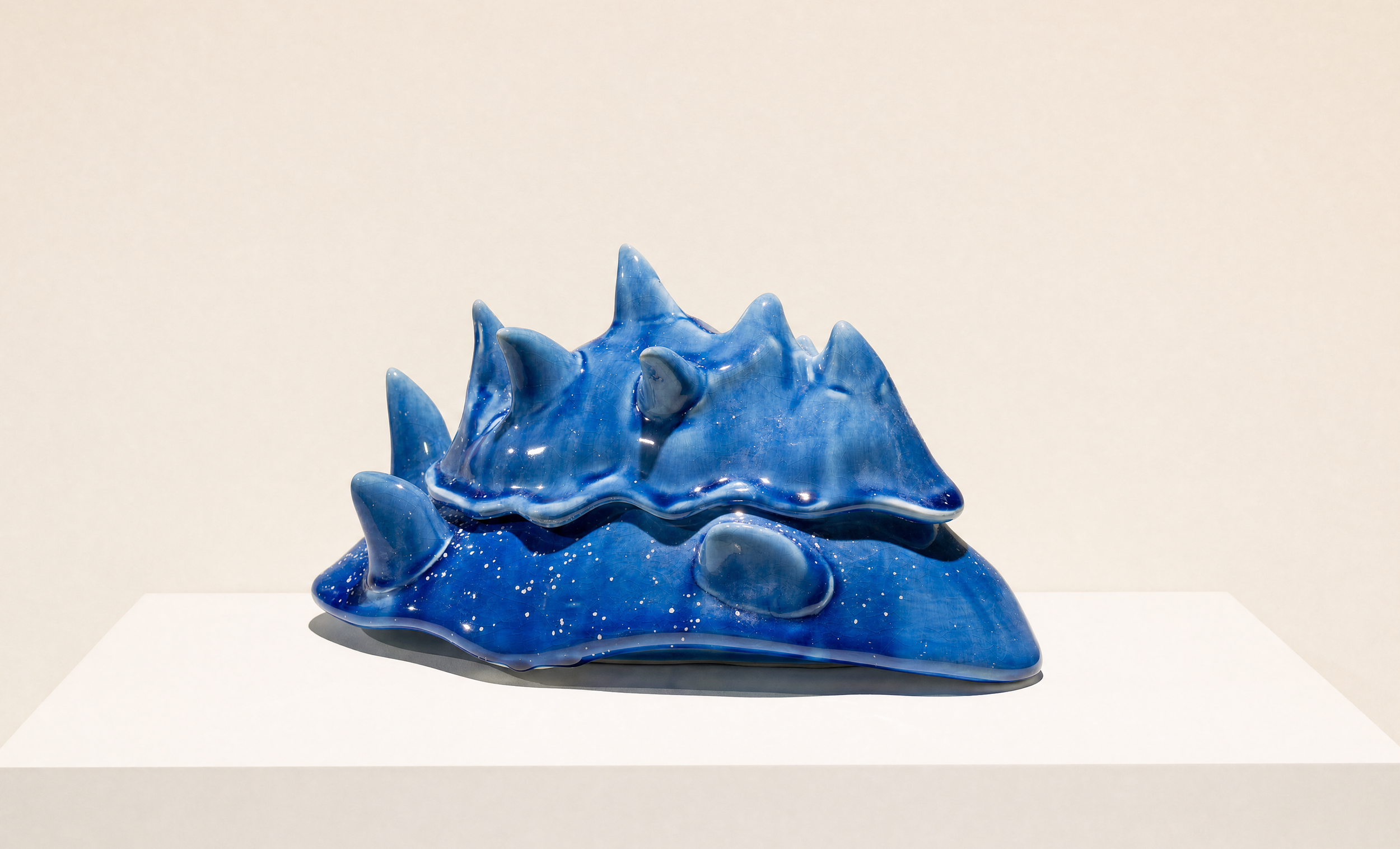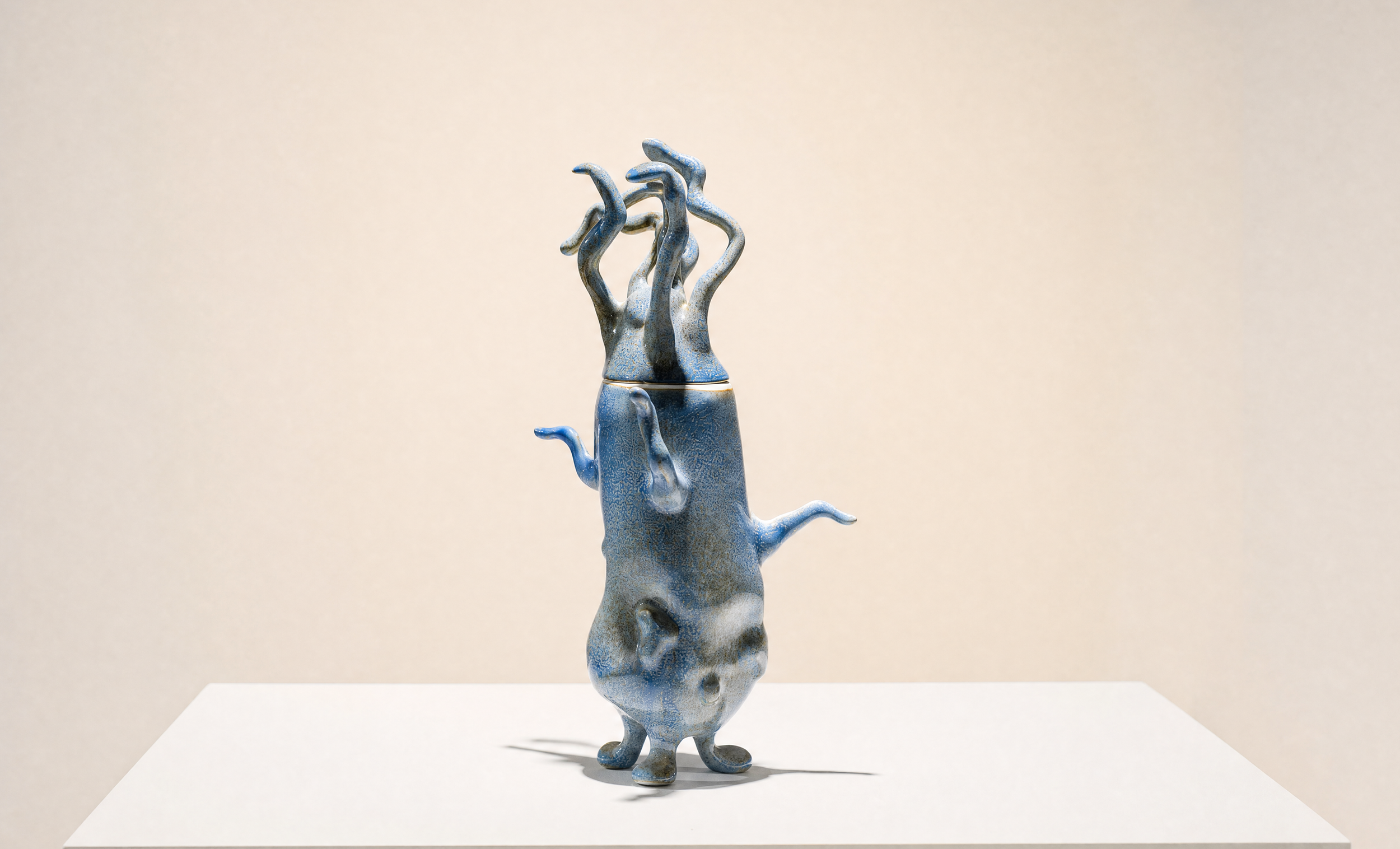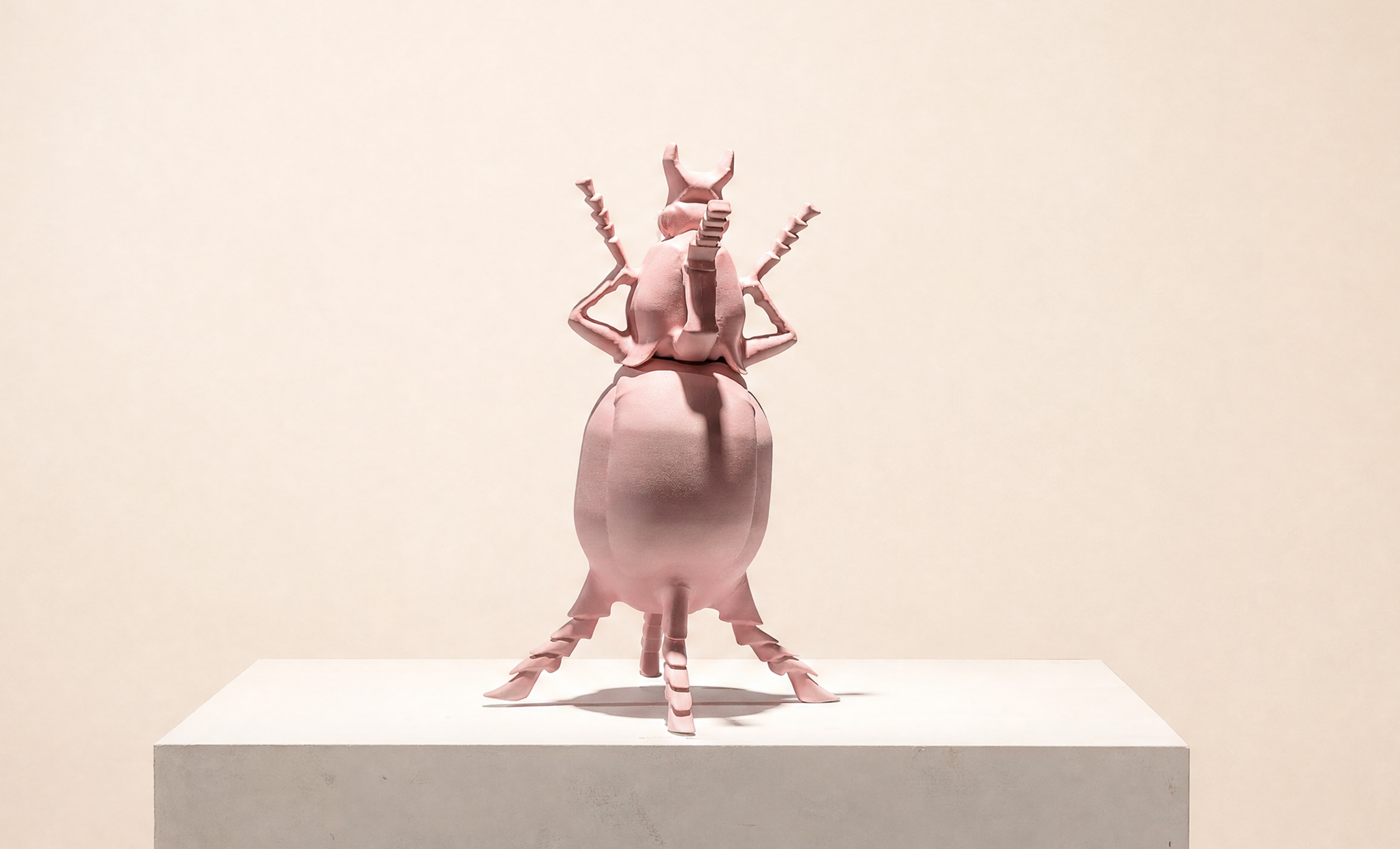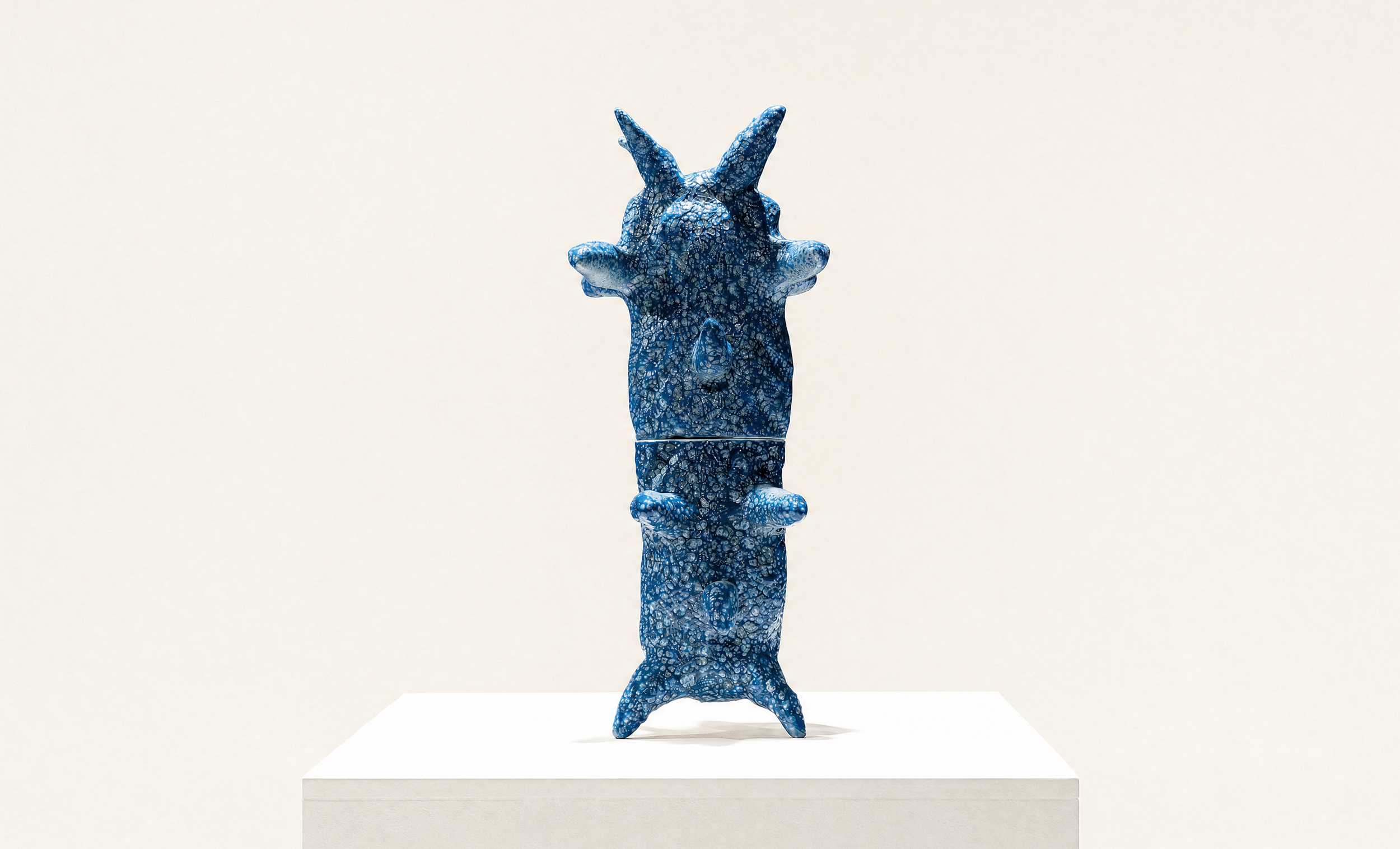
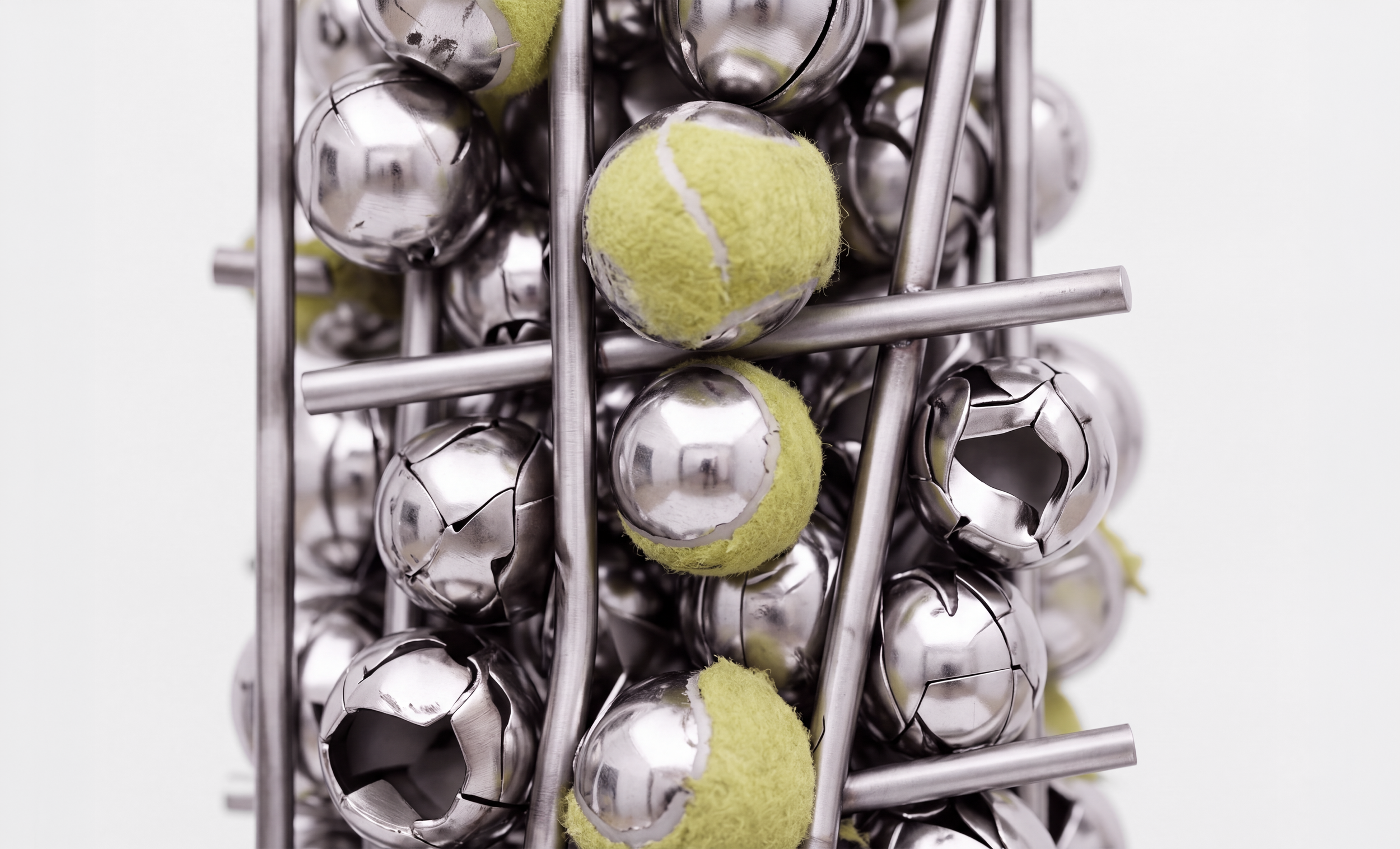
Nonexistent Memories: Peace, 2026, archival pigment print mounted to Dibond and framed, 30 x 50 inches, edition of 5 + 2 AP
Nonexistent Memories: Misery, 2026, archival pigment print mounted to Dibond and framed, 30 x 50 inches, edition of 5 + 2 AP
Nonexistent Memories: Diversion, 2026, archival pigment print mounted to Dibond and framed, 28 × 40 inches, edition of 5 + 2 AP
Nonexistent Memories: Suffocation, 2026, archival pigment print mounted to Dibond and framed, 40 × 28 inches, edition of 5 + 2 AP
Nonexistent Memories: Fault, 2026, archival pigment print mounted to Dibond and framed, 28 × 40 inches, edition of 5 + 2 AP
Untitled Hallucination: Void #1, 2026, archival pigment print mounted to Dibond and framed, 30 x 50 inches, edition of 5 + 2 AP
Untitled Hallucination: Void #2, 2026, archival pigment print mounted to Dibond and framed, 30 x 50 inches, edition of 5 + 2 AP
Untitled Hallucination: Void #3, 2026, archival pigment print mounted to Dibond and framed, 30 x 50 inches, edition of 5 + 2 AP
Untitled Hallucination: Gold Prairie, 2026, archival pigment print mounted to Dibond and framed, 28 × 40 inches, edition of 5 + 2 AP
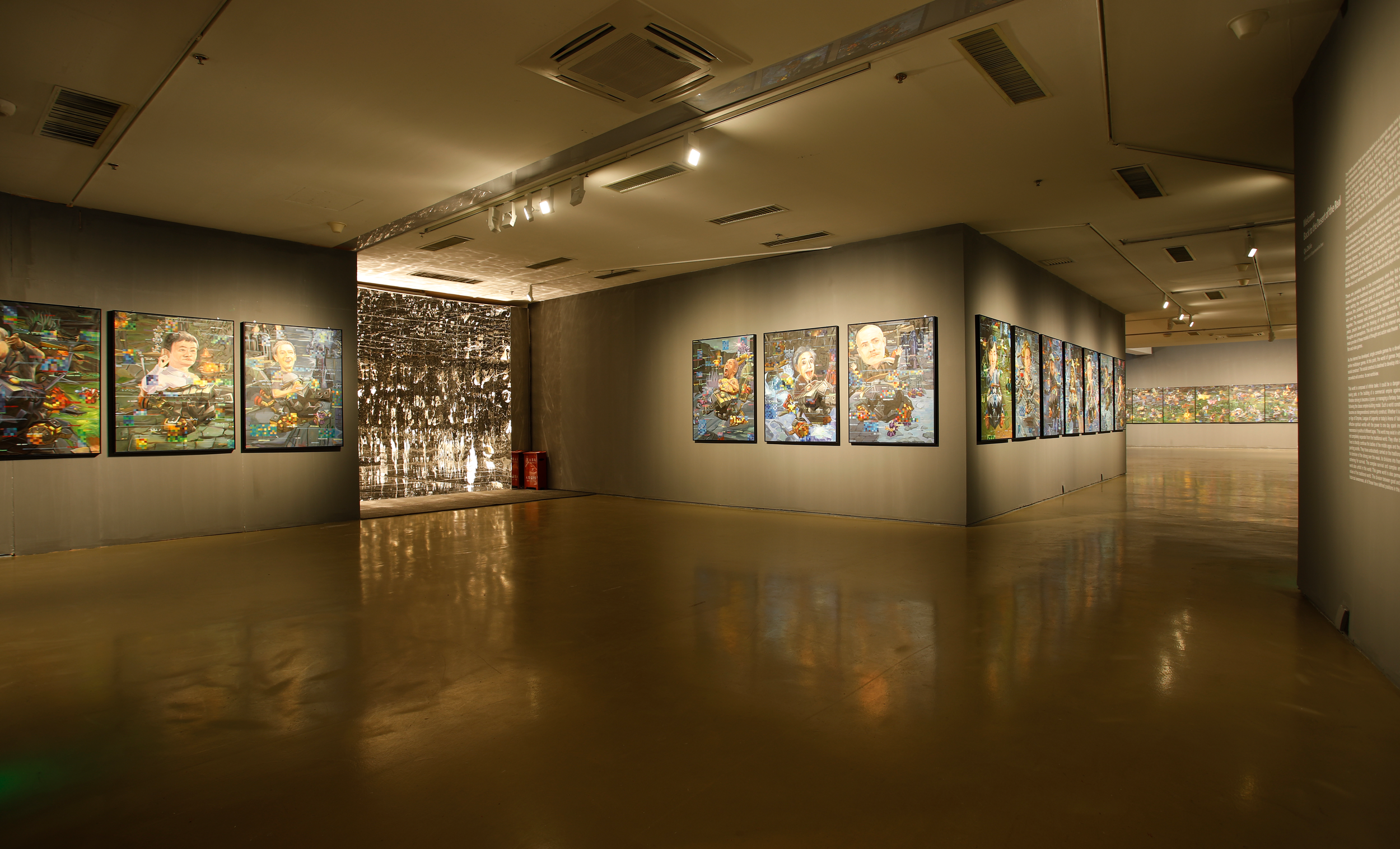
Wuhan Biennale 2022
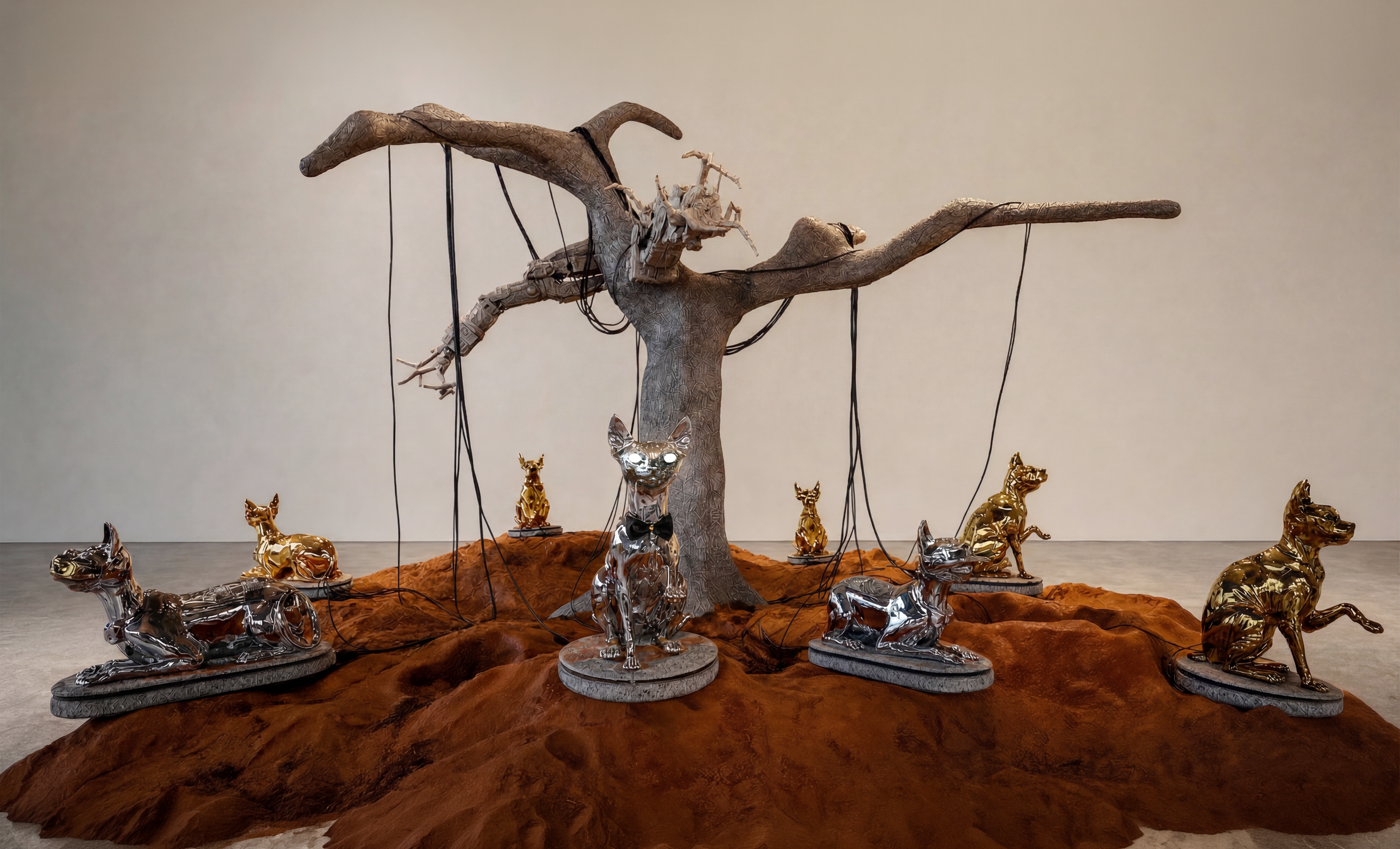
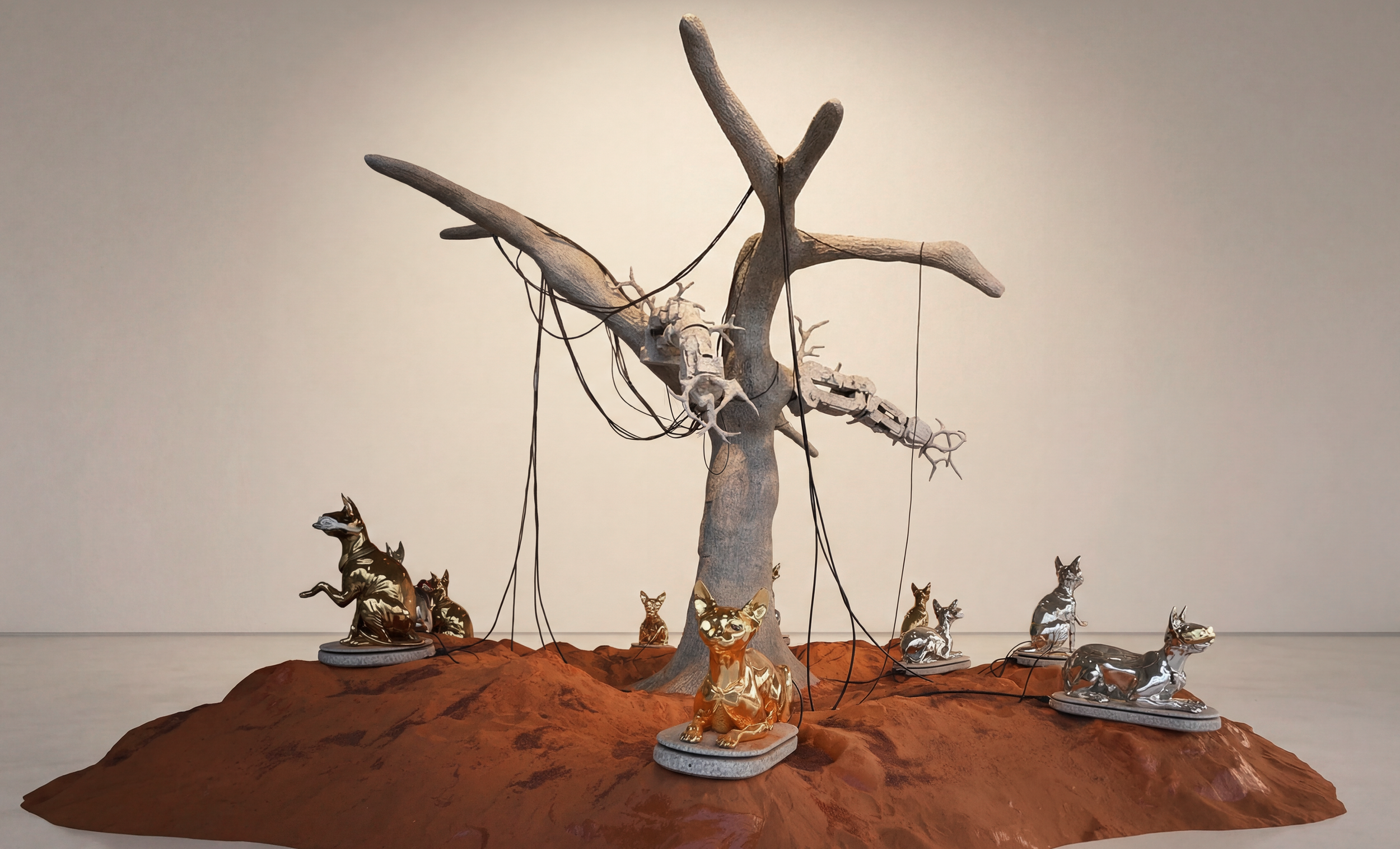
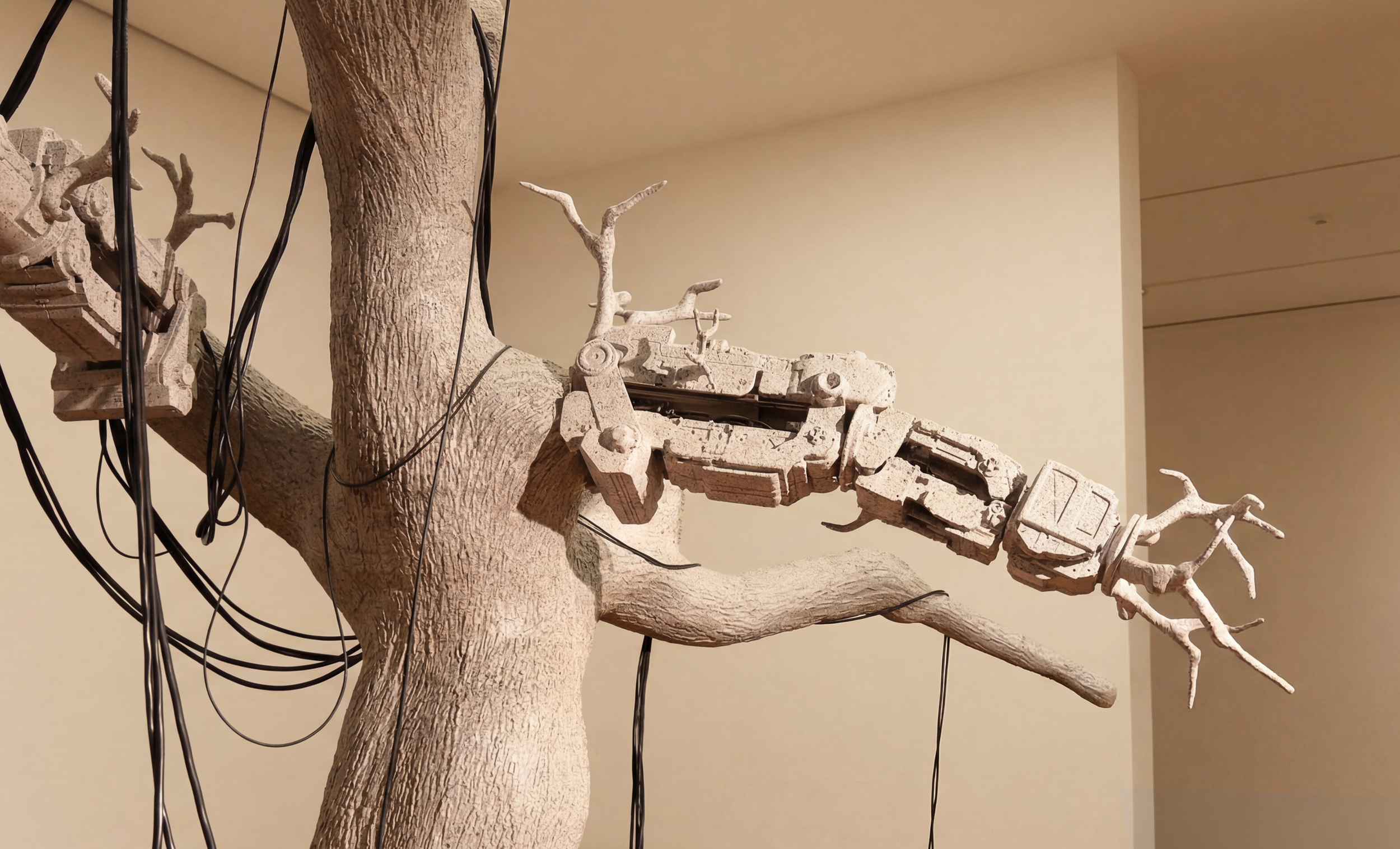
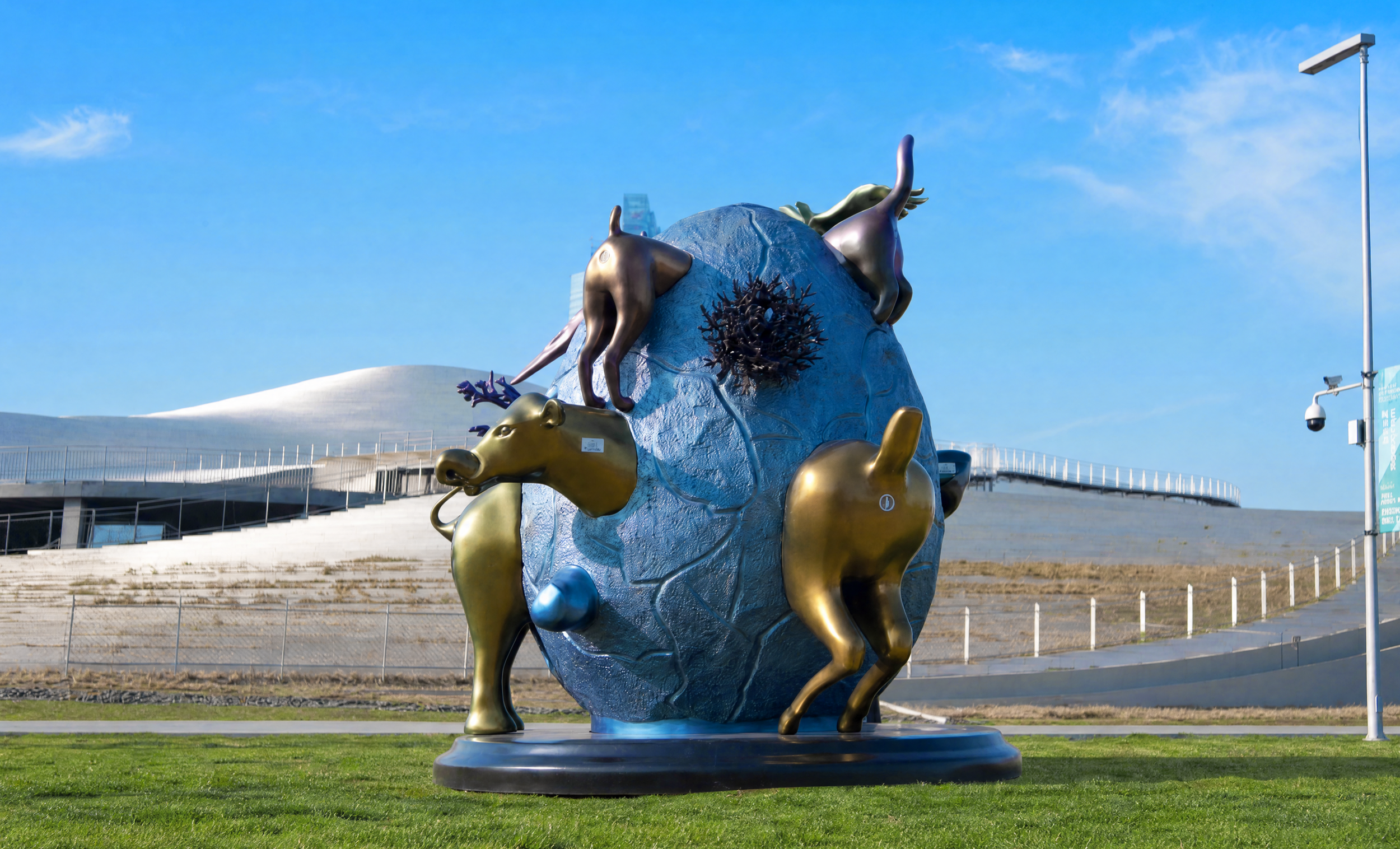
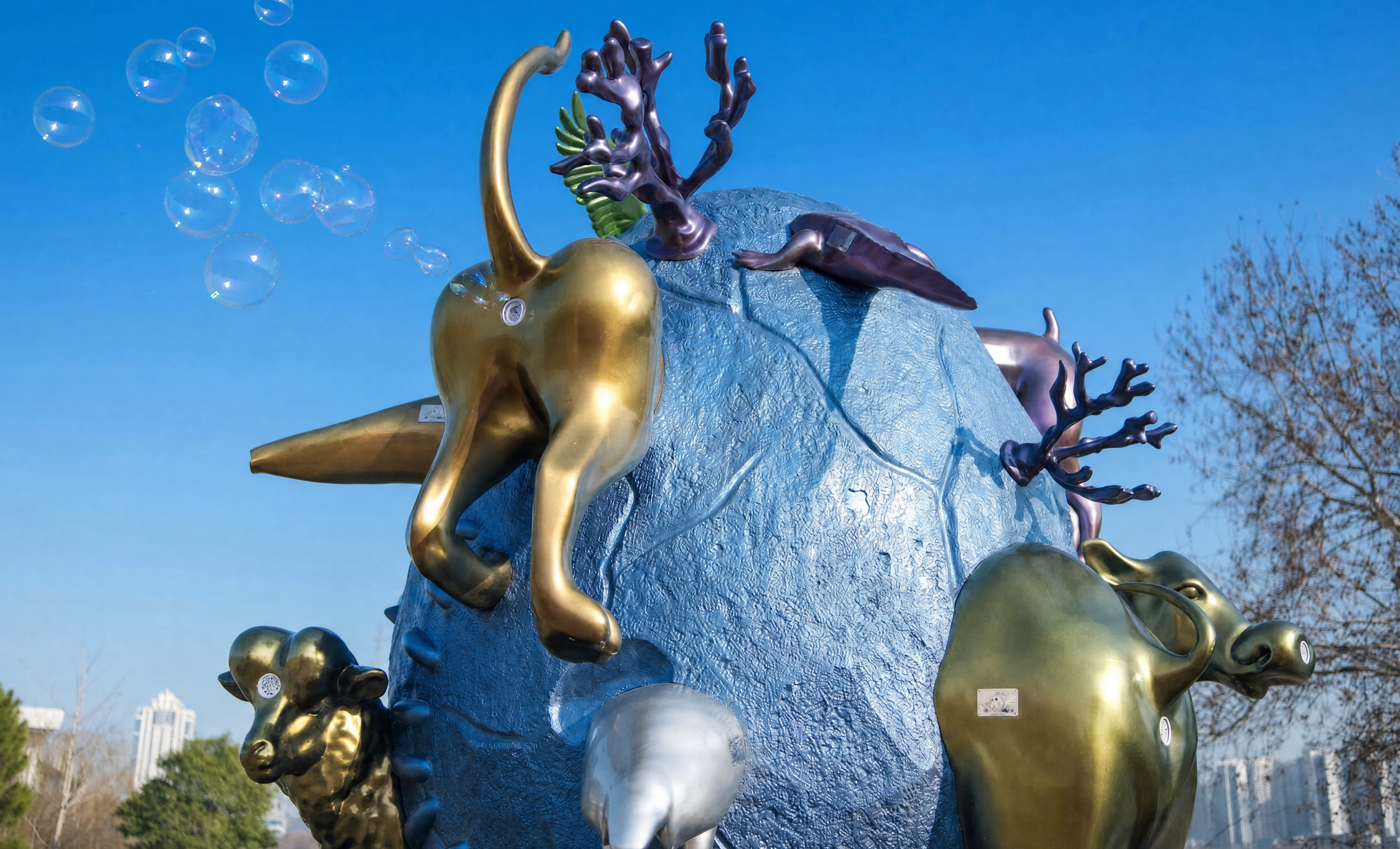
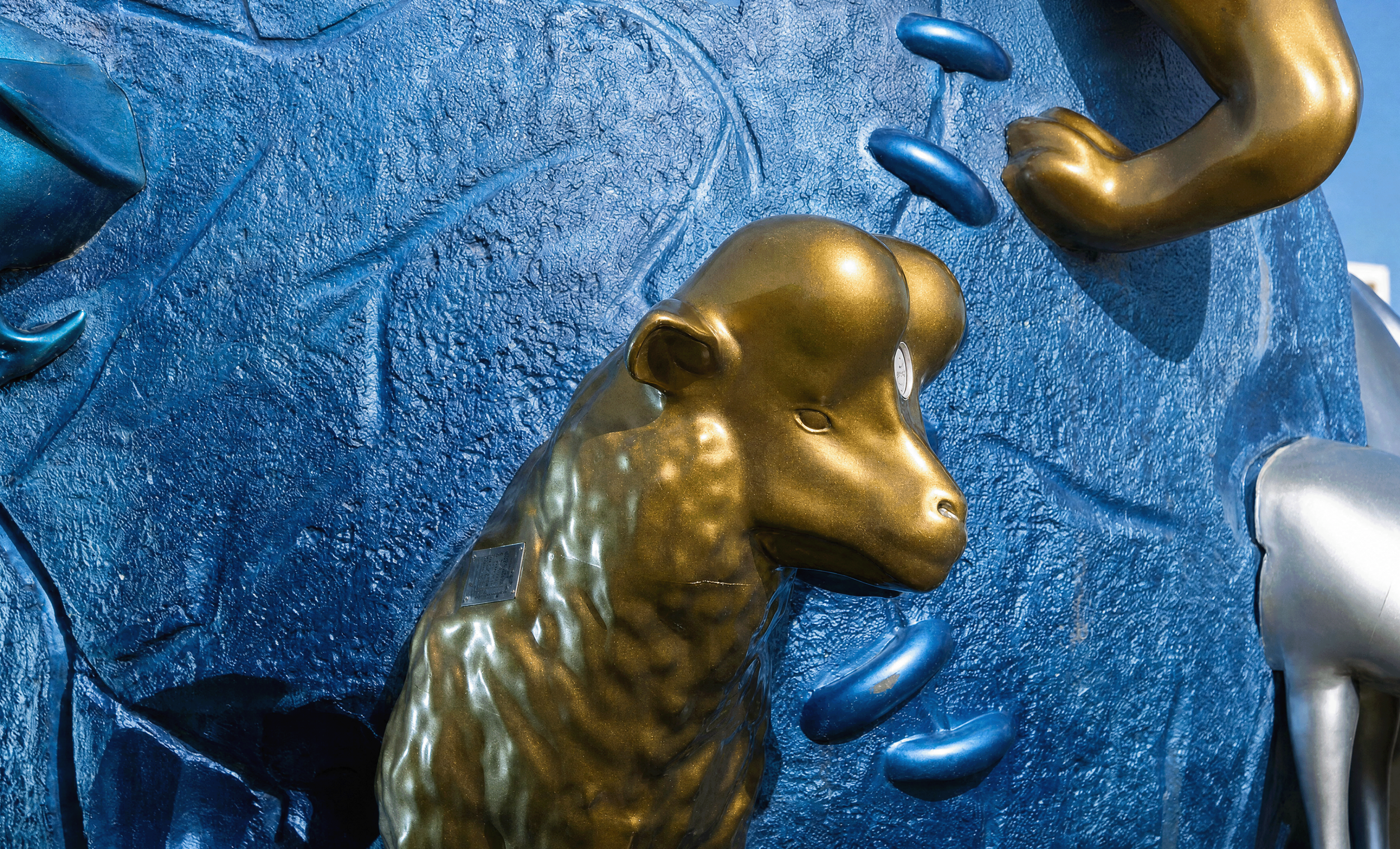
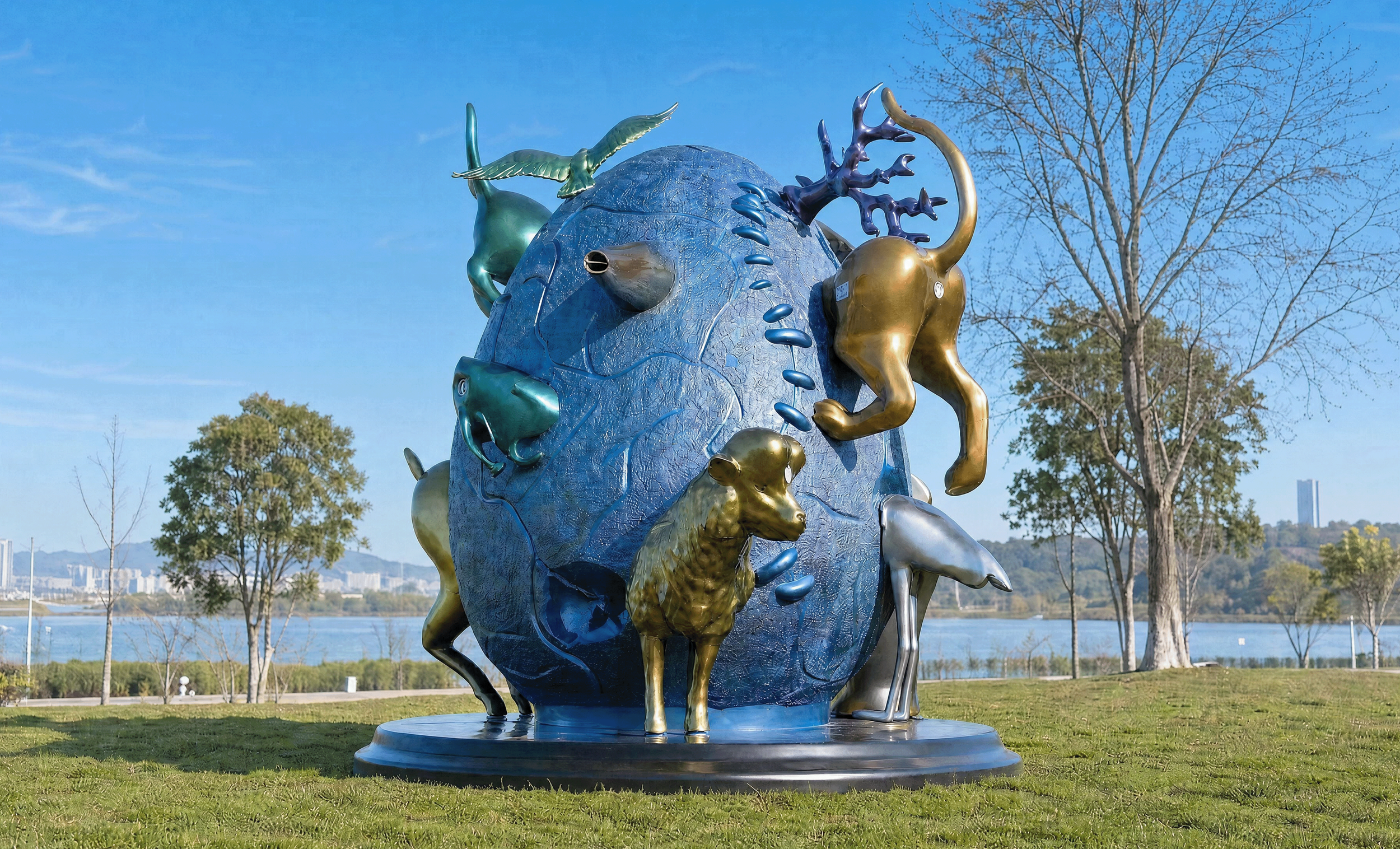
Mission on Mars and Birth are two commissioned works I made for the 2022 Wuhan Biennale at Qintai Art Museum.
The starting point for this group of works was an observation: many characters in video games are based on animal forms, but their behaviors, biological chain rules, and physiological logic have all been redesigned. Life in games has been rewritten. I wanted to take these "reinvented creatures" out of the virtual world and into a real physical space, so viewers could actually walk into their habitats.
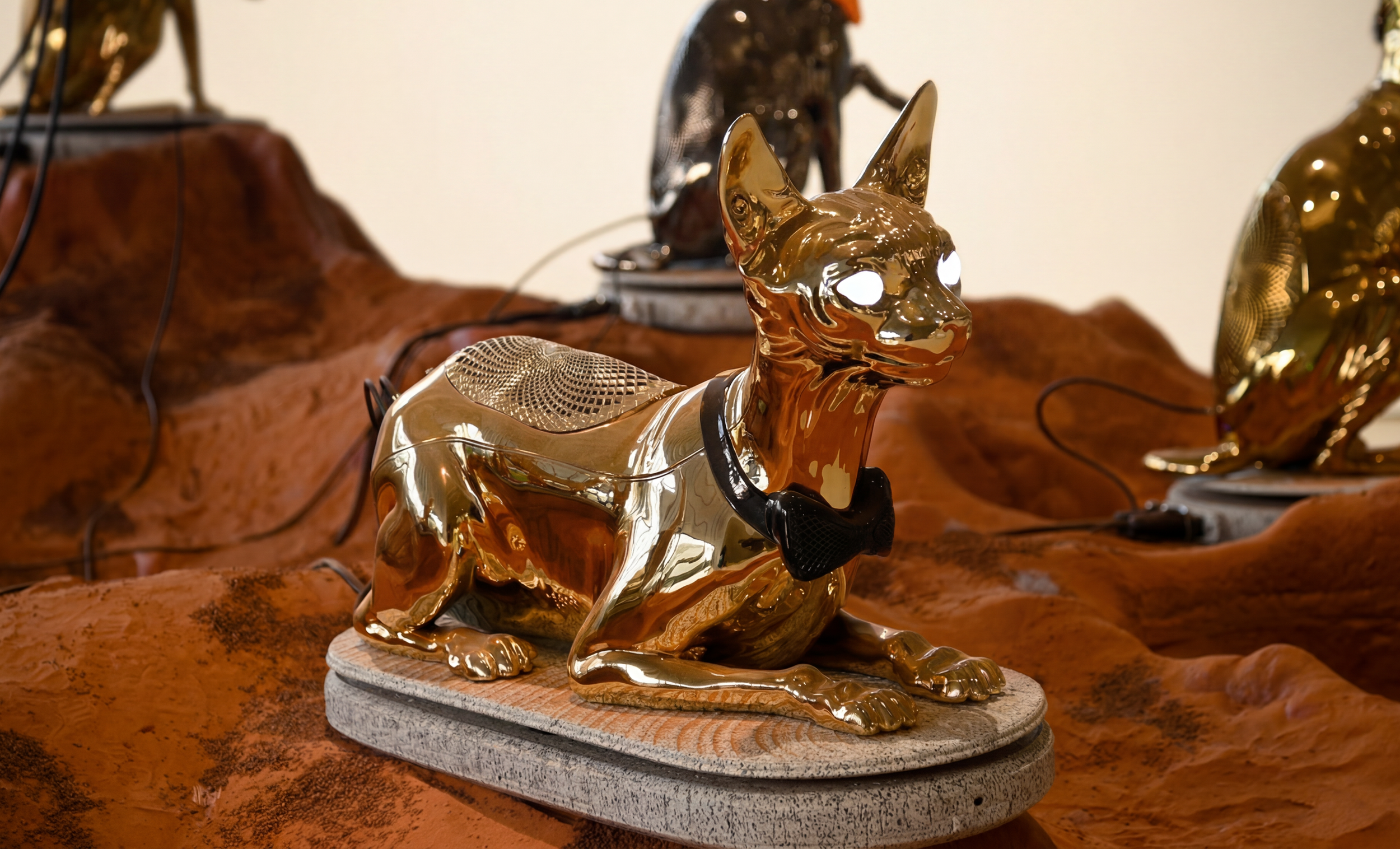
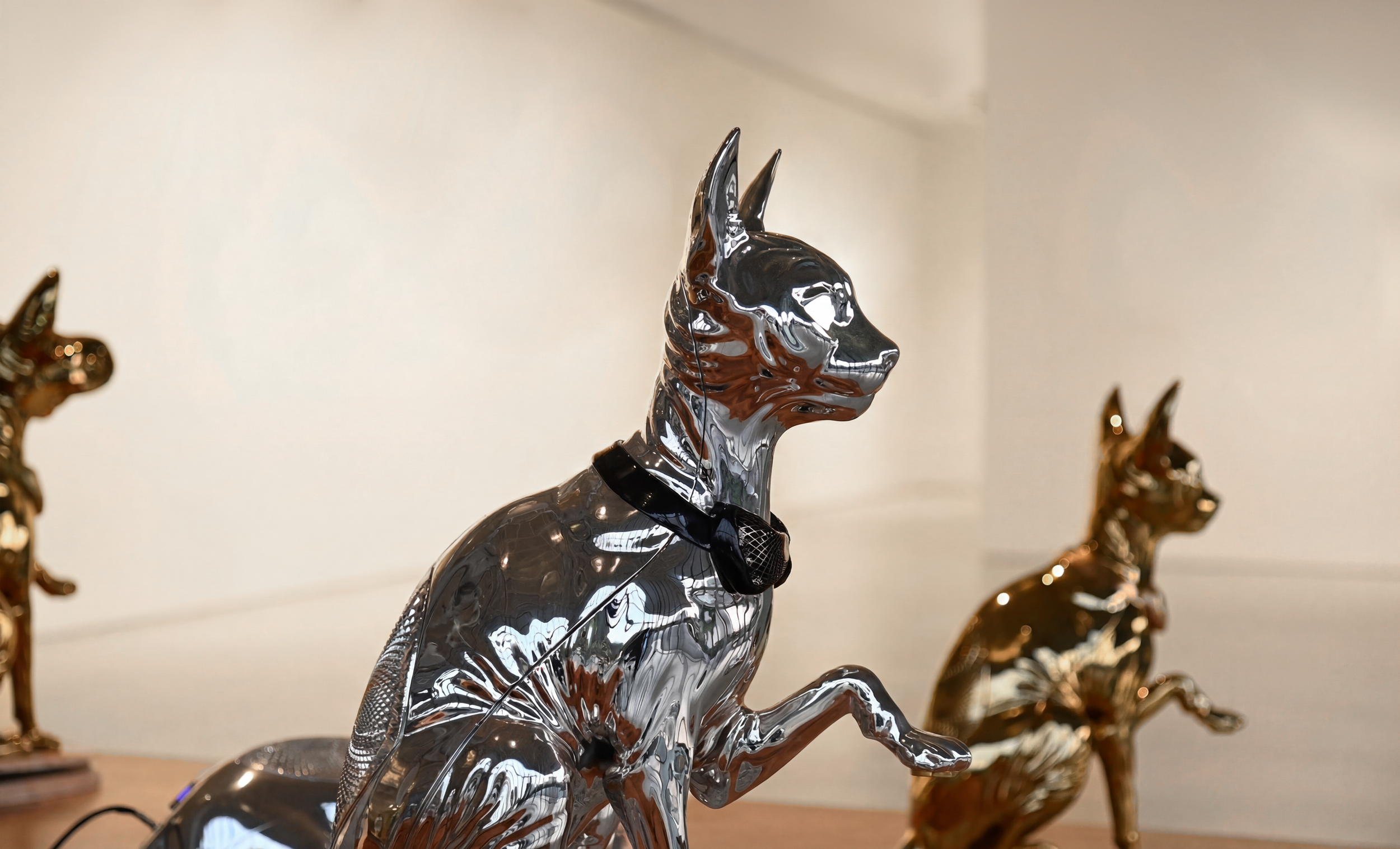
Mission on Mars extends this group of creatures into the setting of an outer-space colony. A mechanical artificial "tree" stands at the center of the space, supported by steel-aluminum arms and surrounded by sphynx-cat-shaped speakers produced by my studio; beneath it, an artificial dyed "soil" conceals embedded sensors. When viewers approach the installation, the suspended "creatures" respond with sound. It is a transplanted ecosystem on Mars, sensing its visitors.
Birth is an animal figure placed within a botanical environment. The form was modeled in ZBrush a digital sculpting software typically used to create virtual-world characters, then molded in fiberglass and structured with a steel frame and nylon. Inside, a millimeter-wave radar sensor is linked to a liquid tank. When a viewer approaches, the "creature" begins to emit bubbles from its rear: the size, direction, and sensitivity of the bubbles are adjusted in real time by software I wrote, responding to the viewer's distance and movement. Through this interaction, the work renders both the duality between the real and the virtual, and the instinctive way we respond to technological uncertainty in daily life.
Both works examine as we continuously use technology to reinvent the forms and rules of life, "nature" has stopped being a domain independent of us, something to be "protected" or "returned to", and has become a system continually edited and rewritten through our participation.